
Flanken vs. English Cut: Which Short Ribs Make the Best Galbi Gui?
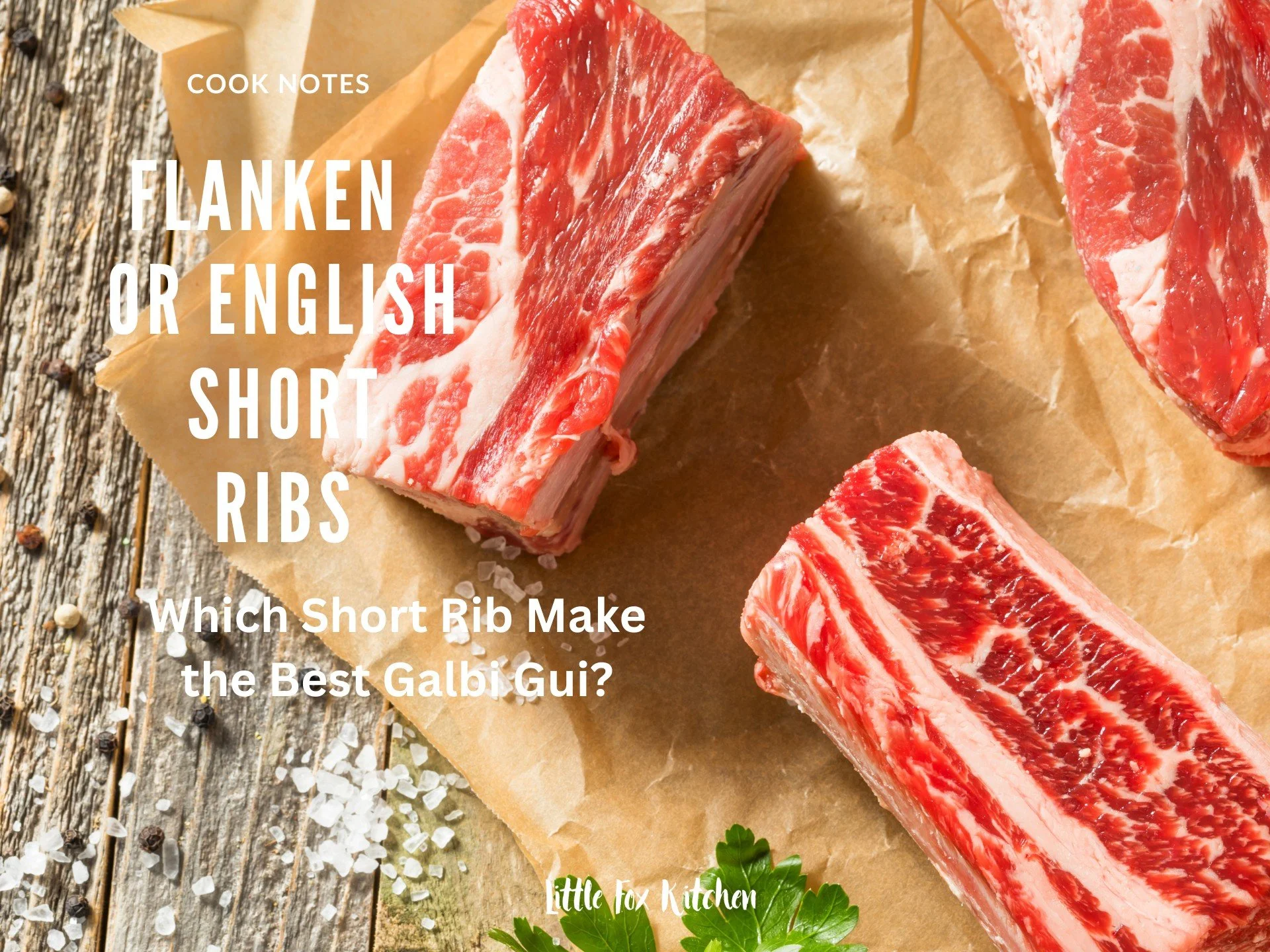
Why the cut of beef matters—and how to transform supermarket short ribs into Korean barbecue-worthy galbi gui.
One of the signature dishes you'll prepare in our Korean Cuisine class is galbi gui—Korean grilled beef short ribs. Marinated in a sweet, savory, and gently smoky sauce made from scratch, it's one of those dishes that feels both comforting and celebratory. Better yet, you'll leave class with the recipe and the confidence to make it again at home.
But before the marinade ever touches the meat, there's an important decision to make: choosing the right cut of beef.
The Traditional Choice: Flanken-Cut Short Ribs
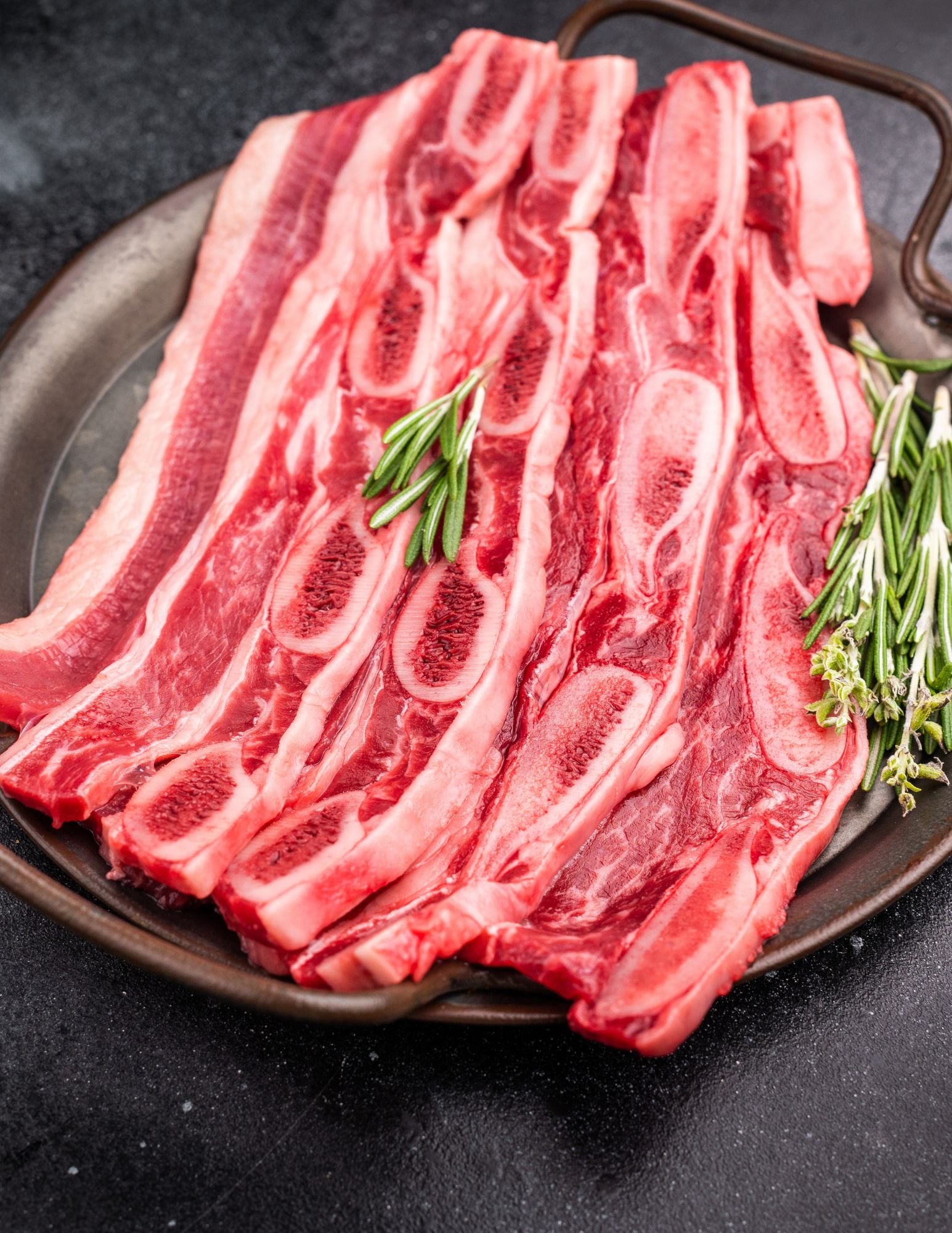
If you've enjoyed galbi gui at a Korean barbecue restaurant, you've almost certainly been served flanken-cut short ribs.
Rather than being cut between the bones, flanken ribs are sliced across the bones, creating long, thin strips of beef with several small rounds of bone running through each piece. Their thin profile allows the marinade to penetrate quickly, while the generous surface area develops the deeply caramelized edges that make grilled galbi so irresistible.
It's the traditional cut for a reason—quick cooking, rich flavor, and beautifully charred results.
The Supermarket Staple: English-Cut Short Ribs
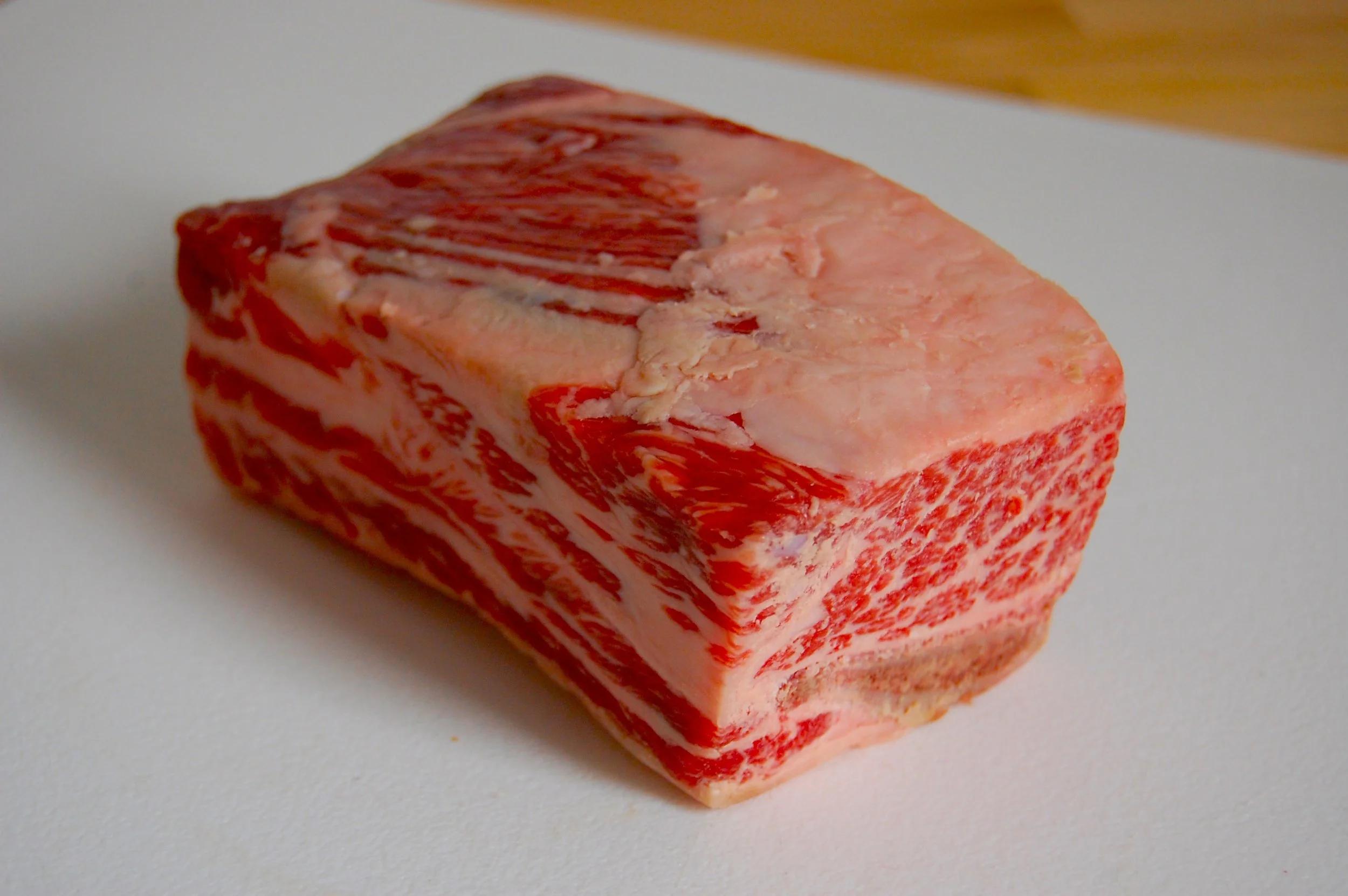
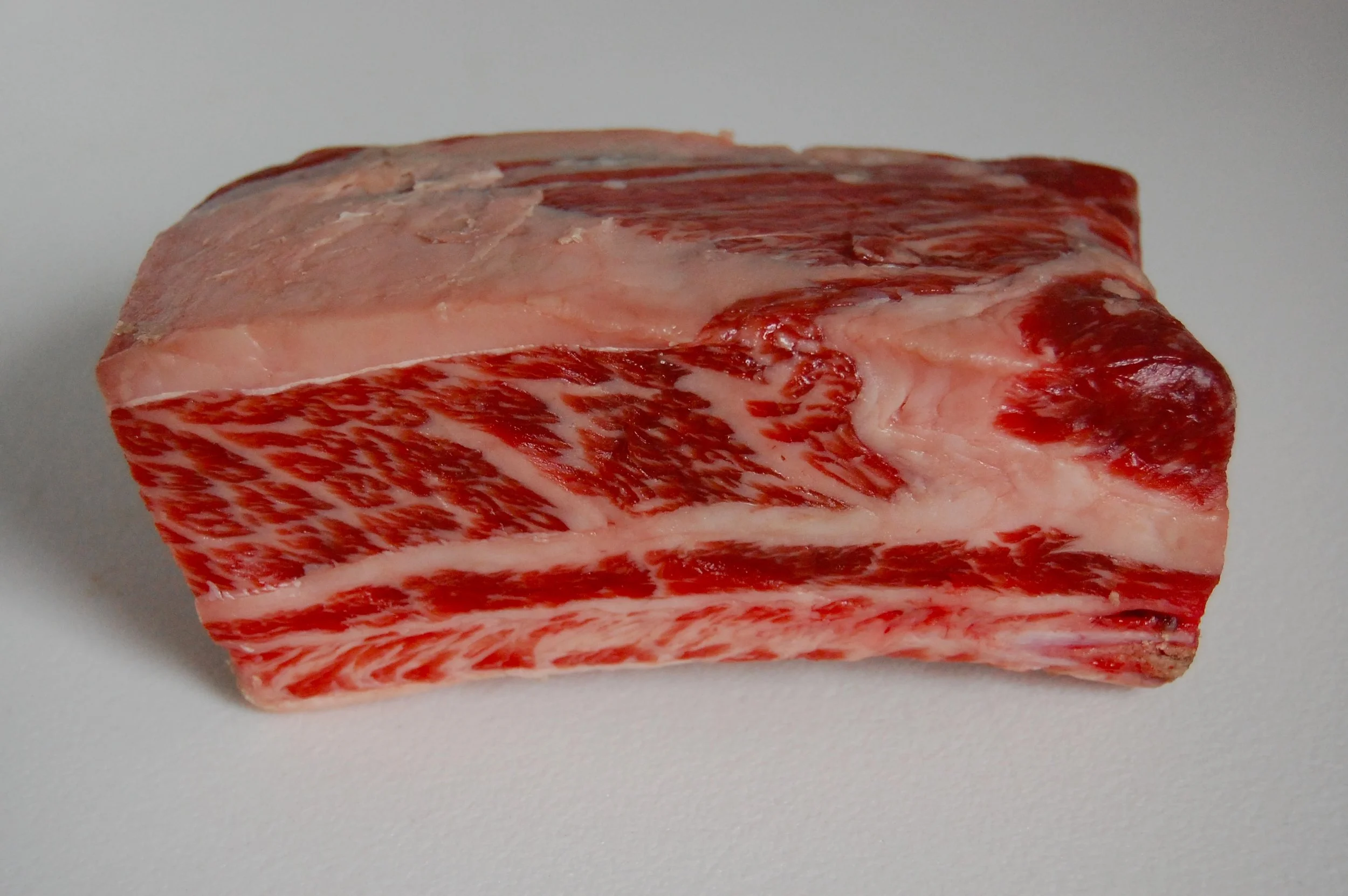
At most grocery stores, however, you're more likely to find English-cut short ribs.
These are cut between the bones into thick, meaty portions with a single bone attached. They're wonderful for slow braises and hearty stews, where hours of gentle cooking transform them into fork-tender comfort food.
For grilling, though, they need a little help.
A Simple Technique That Changes Everything
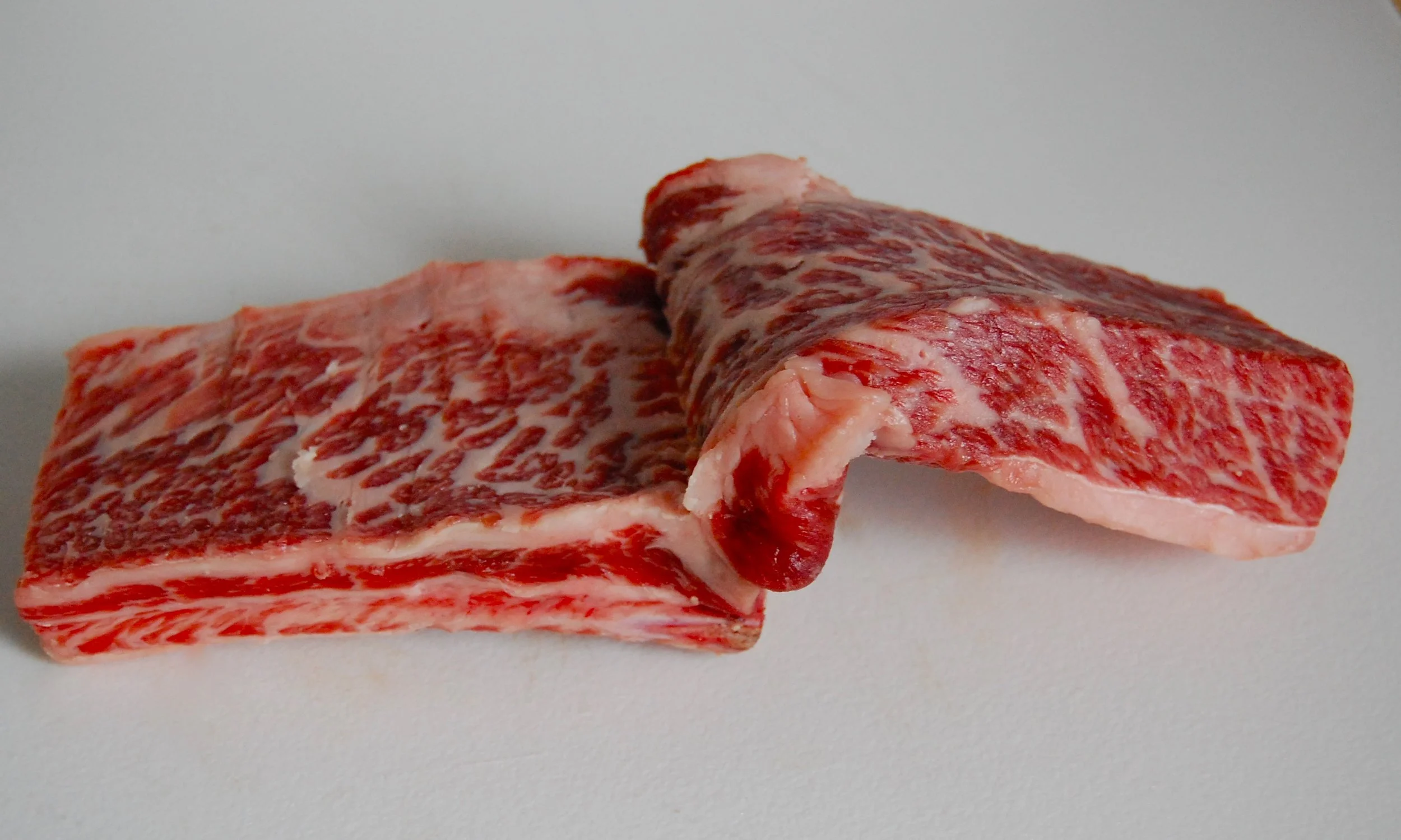
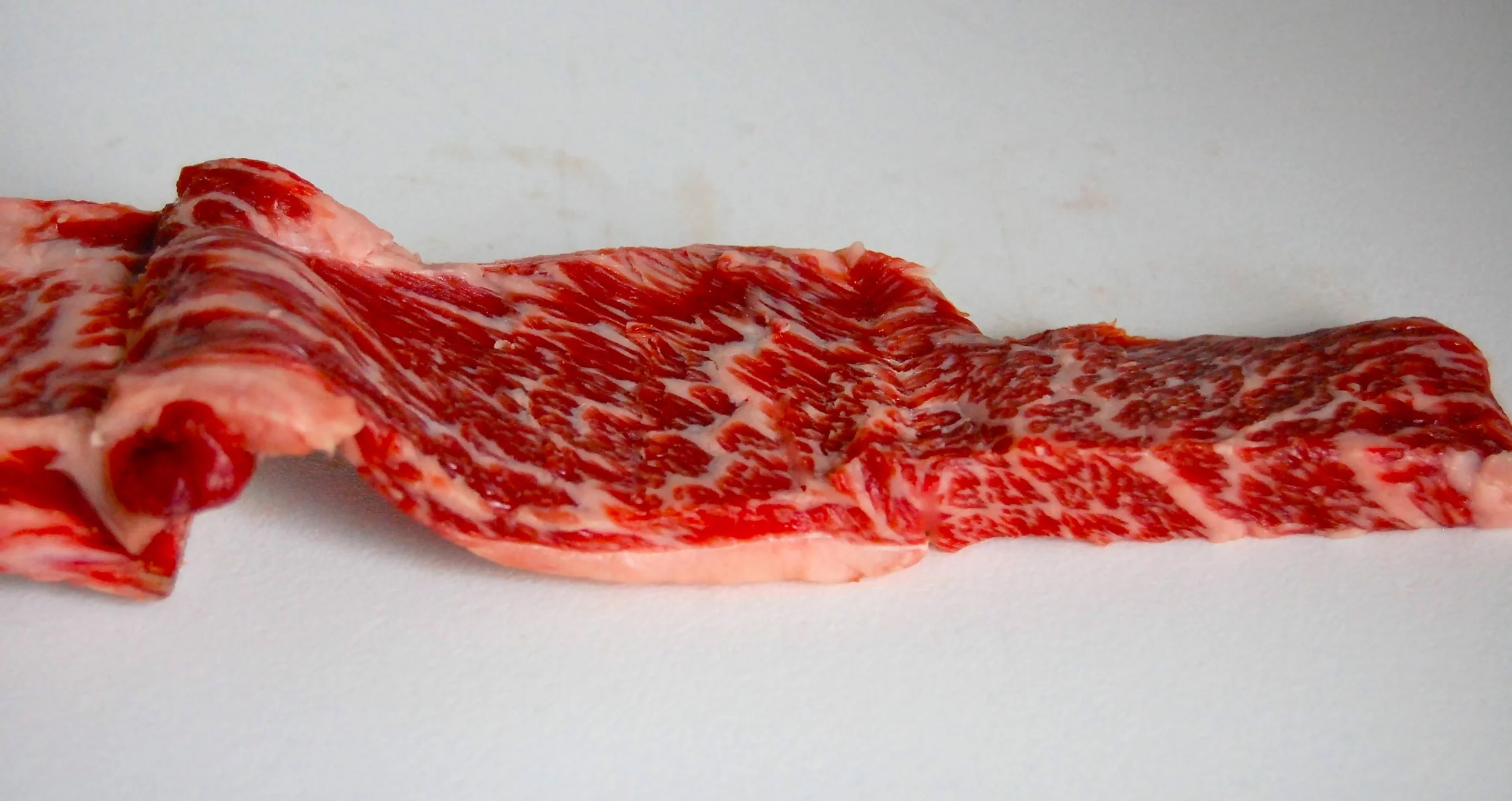
One of our favorite techniques to teach in class is how to butterfly an English-cut short rib.
By carefully opening the meat into a thinner, wider piece, you create a cut that's much better suited for the grill. More surface area means more marinade, more caramelization, and more of those irresistible browned edges that make galbi gui so memorable.
It also makes the finished dish easier to enjoy, with less maneuvering around a thick bone and more tender bites in every serving.
One of the most valuable lessons in cooking isn't finding a specialty ingredient—it's learning how to work confidently with what's available.